Oct. 27, 2026XINSHENG


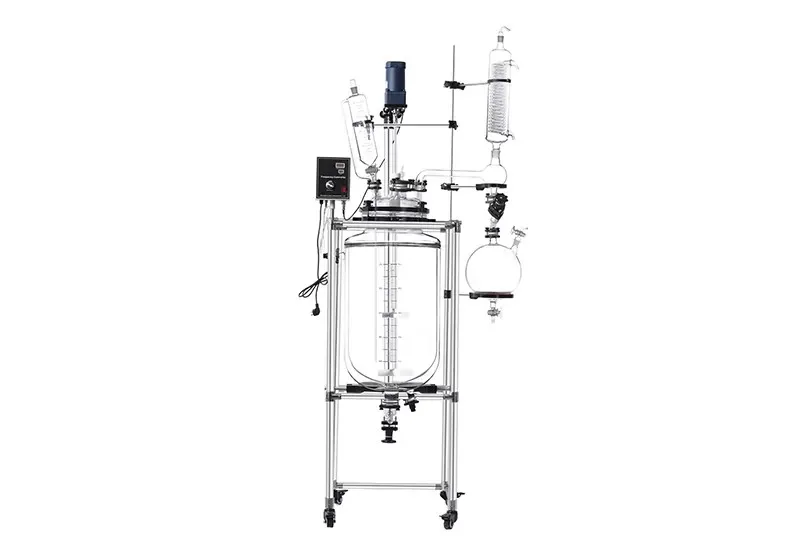
Common chemical reactor problems can disrupt production, affect product quality, and create serious safety risks. A Chemical Reactor System includes a reactor vessel, instruments, piping, and other parts that must work together. Poor mixing can leave some areas of a batch at a different temperature or concentration. Heat transfer can also decline when deposits build up on the vessel surface. Corrosion may weaken metal parts, while a damaged mechanical seal may allow process fluid to leak. Regular checks can help teams find these issues before they cause an unplanned shutdown.
Prevent common chemical reactor problems by following the equipment maker's instructions, keeping operating conditions within approved limits, and using a written preventive maintenance plan. Check the vessel, agitator, mechanical seal, temperature and pressure instruments, relief devices, and heating or cooling system. Record readings and repairs, investigate changes from the normal baseline, and stop the process if a condition could be unsafe.
A reactor issue may appear as a change in product quality, longer batch time, unusual noise, a leak, or an unexpected instrument reading. Compare current results with the approved process recipe and equipment baseline. Do not assume that one symptom has only one cause.
| Problem | Possible cause | First check |
|---|---|---|
| Temperature rises or falls too slowly | Fouling, poor coolant flow, a control valve problem, or a faulty sensor | Compare sensor readings with an approved reference and check utility flow |
| Uneven product or inconsistent batch results | Agitator damage, incorrect speed, poor mixing, or a changed recipe | Review agitator speed, batch records, and product sampling results |
| Leak around the drive shaft | Worn mechanical seal, shaft movement, or incorrect seal support conditions | Check the seal area and its support system using site procedures |
| Pressure changes unexpectedly | Blocked vent, gas generation, valve failure, or an instrument fault | Verify the pressure reading and follow the approved pressure-response procedure |
| Rust, pitting, or wall loss | Corrosion, erosion, incompatible cleaning, or damaged lining | Record the location and arrange an assessment by qualified inspection personnel |
| Higher motor load or unusual vibration | Misalignment, bearing wear, an obstructed impeller, or changing material viscosity | Compare readings with the equipment baseline and check only under safe conditions |
Track batch time, temperature, pressure, agitator speed, motor current, and product test results. Compare each value with the approved recipe, equipment limits, and historical baseline. A reading outside its stated limit needs action under the site's operating procedure. A reading inside the limit can still deserve attention if it changes sharply from the normal pattern.
Temperature control affects reaction rate, product quality, and process safety. In a jacketed reactor, heat moves between the vessel contents and a heating or cooling medium. Deposits on heat-transfer surfaces, restricted utility flow, trapped gas, or a control fault can slow that transfer.
Unexpected temperature trend -> verify the reading -> check utility supply and flow -> inspect control components and heat-transfer surfaces -> assess batch and equipment records -> correct the cause under an approved procedure -> record the result and monitor the next operation.
Do not select a universal temperature or pressure range for all reactors. Safe operating limits depend on vessel design, materials, process chemistry, and the approved recipe. Use the nameplate, design documents, and operating procedures for the specific equipment.
The agitator moves material through the reactor and supports consistent mixing. A damaged impeller, worn bearing, loose coupling, or misaligned shaft can increase vibration and motor load. A mechanical seal helps contain process material where a rotating shaft enters the vessel. Seal failure can lead to leakage, product loss, or exposure to hazardous substances.
Inspect the mechanical seal area for visible leakage and check any seal flush, barrier, or cooling system required by the design. Follow the seal maker's instructions for fluid quality, flow, and pressure. Do not tighten or adjust a seal on running equipment unless a written procedure specifically permits the action. If leakage involves a hazardous chemical, follow the site's emergency and isolation procedures.
Corrosion can reduce the thickness of a reactor vessel or damage its lining. Fouling can cover heat-transfer surfaces, restrict flow, or contaminate a later batch. The right inspection method depends on vessel material, lining, process chemistry, design, and service history.
Clean the reactor using a method compatible with the vessel material, lining, seals, and process chemistry. Confirm chemical compatibility before using a cleaning agent. Record the cleaning method, duration, and any inspection findings. If a process deposit keeps returning, investigate feed quality, reaction conditions, and cleaning effectiveness rather than simply increasing cleaning strength.
Pressure vessels should be inspected and tested under the applicable design code, local rules, and site inspection plan. ASME Boiler and Pressure Vessel Code Section VIII is one recognized design standard for pressure vessels, but the governing requirements depend on the equipment and jurisdiction. A hydrostatic test pressure is not a universal value. A qualified engineer or inspector must determine test requirements from the applicable code, design basis, and current equipment condition.
Reliable measurements help operators keep the reactor within its approved limits. Temperature, pressure, level, and flow instruments should be checked according to the site's calibration program. Record the instrument identification, as-found result, adjustment, as-left result, and next due date.
A pressure relief valve protects equipment from overpressure when correctly selected, installed, and maintained. Check its identification, inspection status, discharge path, and supporting records under the applicable code and site plan. Do not block, isolate, or alter a relief device without an approved engineered procedure. If a relief device lifts or shows signs of damage, report the event and have qualified personnel investigate before returning the system to service.
In the United States, OSHA's Process Safety Management standard applies to covered processes that meet its scope and threshold requirements. For example, the standard includes a threshold of 10,000 pounds for many listed highly hazardous chemicals, with specific exceptions and conditions. This threshold does not apply to every chemical or every facility. Site safety staff should determine which regulations cover a process.
A useful chemical reactor preventive maintenance schedule assigns each task an owner, a frequency, and a record. Set intervals using the manufacturer guidance, operating severity, inspection findings, regulations, and risk assessment. The example below is a planning template, not a substitute for a site-specific schedule.
| Timing | Example task | Record to keep |
|---|---|---|
| Each operating shift | Review temperature, pressure, agitation, alarms, and visible leaks | Shift log and alarm history |
| Each batch | Confirm recipe settings and record key process readings | Batch record and product test results |
| At planned cleaning | Inspect accessible surfaces and document deposits or damage | Cleaning record and inspection notes |
| At the interval set by the maintenance plan | Check bearings, coupling, seal support, and motor condition | Work order and condition measurements |
| At the calibration due date | Verify and calibrate designated instruments | Calibration certificate or controlled record |
| At the inspection interval set by code and risk | Assess vessel condition and required pressure protection devices | Signed inspection report and recommendations |
Review operating history -> identify failure risks -> assign task and interval -> isolate equipment and apply required safety controls -> inspect or service -> check against acceptance criteria -> document results -> update the plan when evidence or operating conditions change.
Maintenance can expose workers to pressure, heat, moving parts, electricity, and hazardous chemicals. Before work starts, use the site's risk assessment and permit system. Isolate energy sources, verify isolation, depressurize and drain the equipment when required, and confirm that the vessel is safe to enter. Apply lockout and tagout, confined-space, hot-work, and chemical-handling procedures where they apply.
Only trained and authorized personnel should perform specialized work, such as pressure-boundary repair, relief-device servicing, electrical work, or internal vessel entry. Use the required protective equipment and confirm that emergency response arrangements are available. Never rely on a control-system display alone to prove that a vessel is safe.
Use clear metrics to check whether the maintenance plan is working. Select measures that can be verified from records, such as:
Define targets from the site's baseline and risk level rather than adopting a number that may not fit the process. Track several reporting periods before deciding whether a change has improved reliability. For maintenance and system implementation, XINSHENG and other equipment teams should document the installed configuration, approved test results, commissioning findings, and operator training for each project. Any experience or performance claim should be supported by project records, not assumed from a general maintenance recommendation.
Common chemical reactor problems include unstable temperature, poor mixing, seal leaks, fouling, corrosion, and pressure-control issues. A reliable chemical reactor system depends on safe operating limits, planned inspections, accurate records, and prompt investigation of changes from normal performance. Use equipment-specific instructions and applicable codes, and involve qualified personnel for safety-critical work. A practical maintenance plan helps protect people, product quality, and production time.
RELATED INFORMATION

 EN