Oct. 30, 2026XINSHENG

Choosing a Bioprocess Chromatography System is easier when you follow a defined path from process requirements to vendor qualification. In this guide, we explain how to document your feed and resin, calculate capacity and flow, assess automation and compliance needs, and compare suppliers such as XINSHENG—so your team can make a practical, evidence-based decision without overbuying or creating scale-up problems.

A chromatography skid is only a good fit when it supports the product, resin, operating mode, and batch strategy. Before comparing models, we recommend creating a one-page user requirements specification (URS). This prevents a common purchasing mistake: selecting by maximum flow rate while overlooking column diameter, pressure limits, hold-up volume, or cleaning requirements.
Record the process stage and separation objective. A capture step, intermediate purification step, and polishing step can require different flow ranges, resin capacities, gradient control, and fraction collection approaches.
Also define the intended production scale and expected future demand. A system sized only for today’s batch may become a bottleneck if the process moves from pilot to commercial manufacturing.
Once the process inputs are known, translate them into measurable equipment requirements. The column, resin, and process flow should determine the skid range—not the other way around.
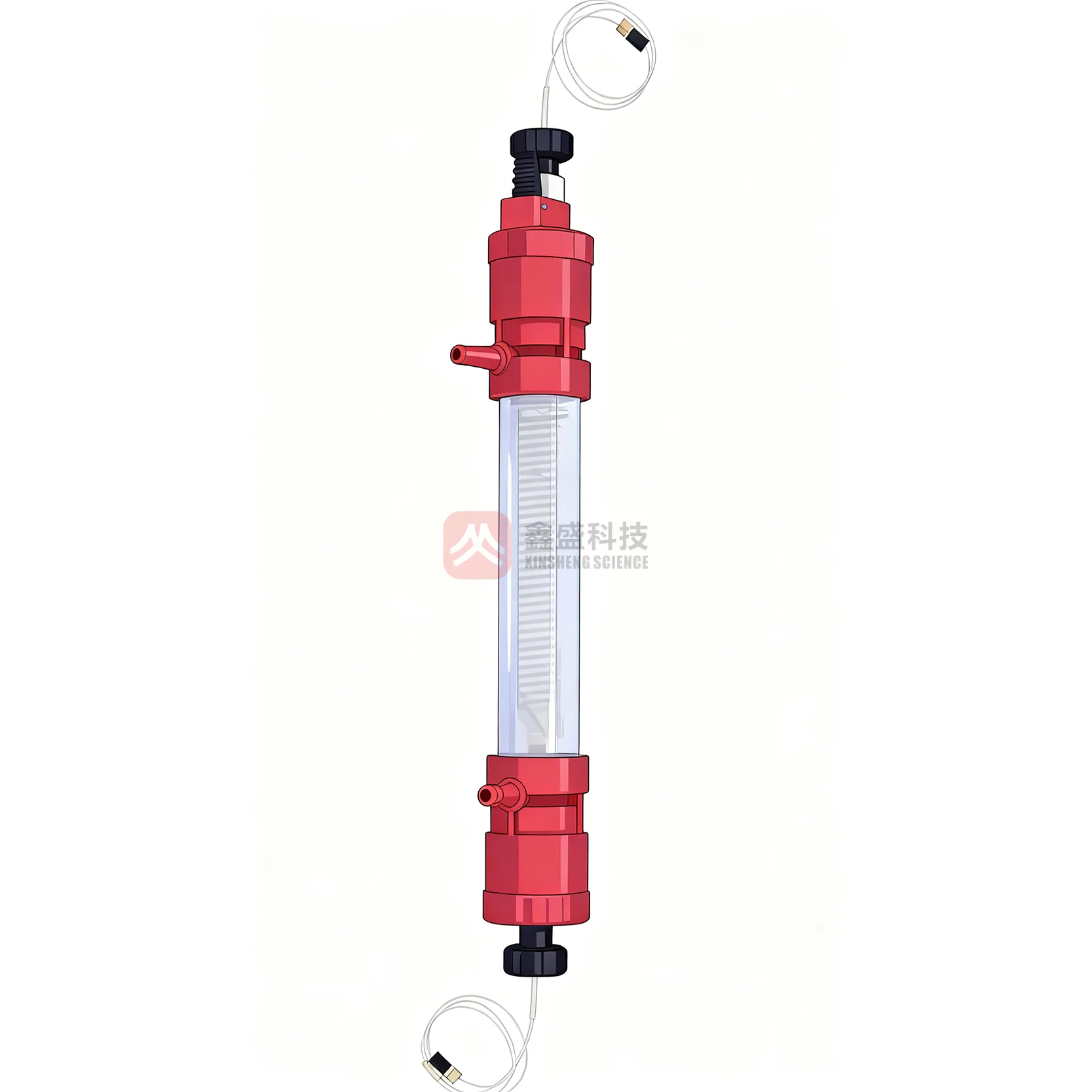
For a cylindrical packed bed, estimate bed volume with bed volume = π × (column diameter ÷ 2)2 × bed height. Then calculate the target flow from the resin’s validated linear velocity and column cross-sectional area. Confirm the result against the system’s operating flow range and pressure limits.
For a first-pass capacity estimate, divide the expected target load by the resin’s validated dynamic binding capacity at the relevant residence time. Apply an appropriate process margin based on development data and your quality risk assessment; do not treat a resin’s maximum specification as a guaranteed production capacity.
As a practical URS example, a team might specify a required operating range of 0.5–20 L/min, a defined pressure operating window, and a maximum allowable hold-up volume. These are example targets, not universal recommendations: set values from process data and confirm them with the equipment supplier.
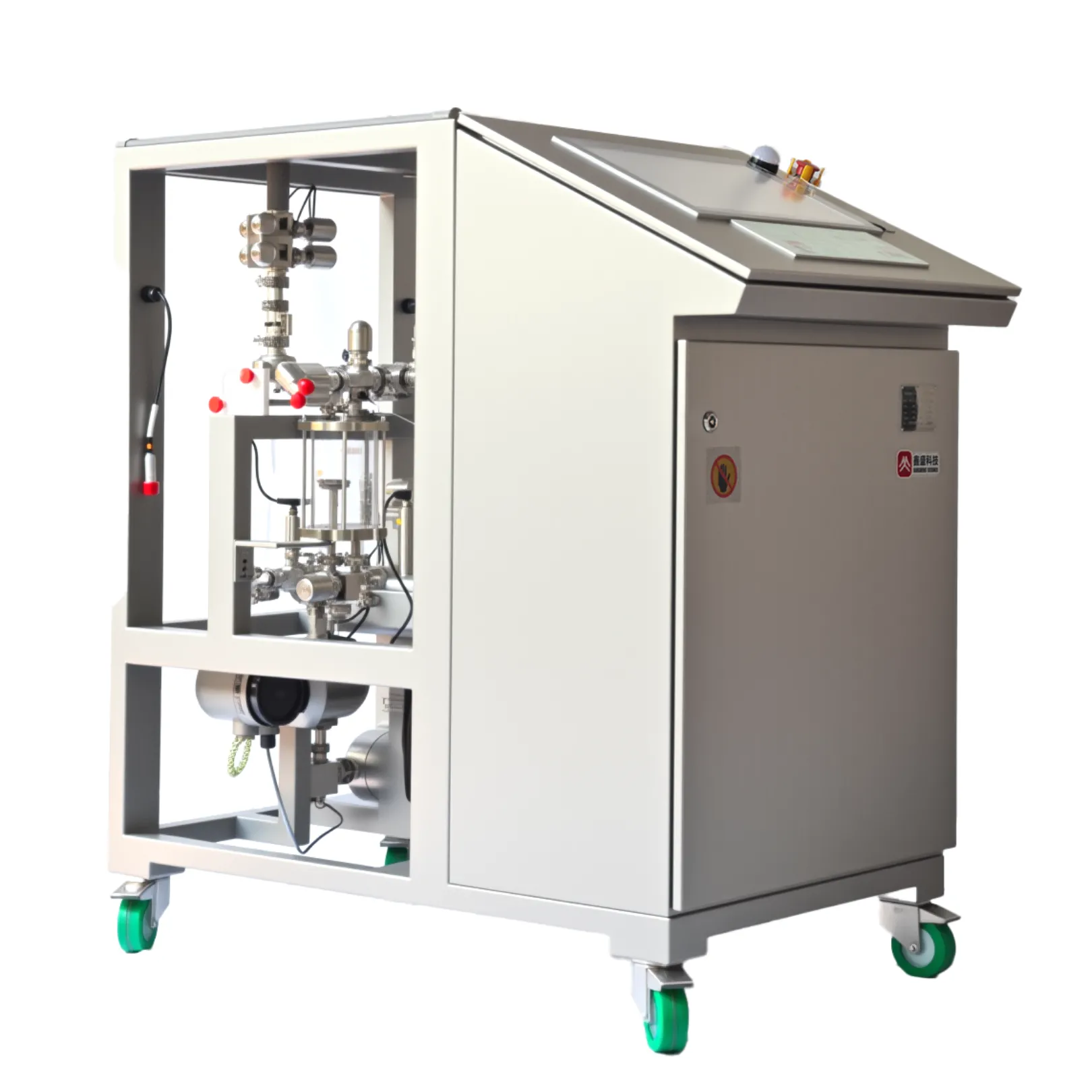
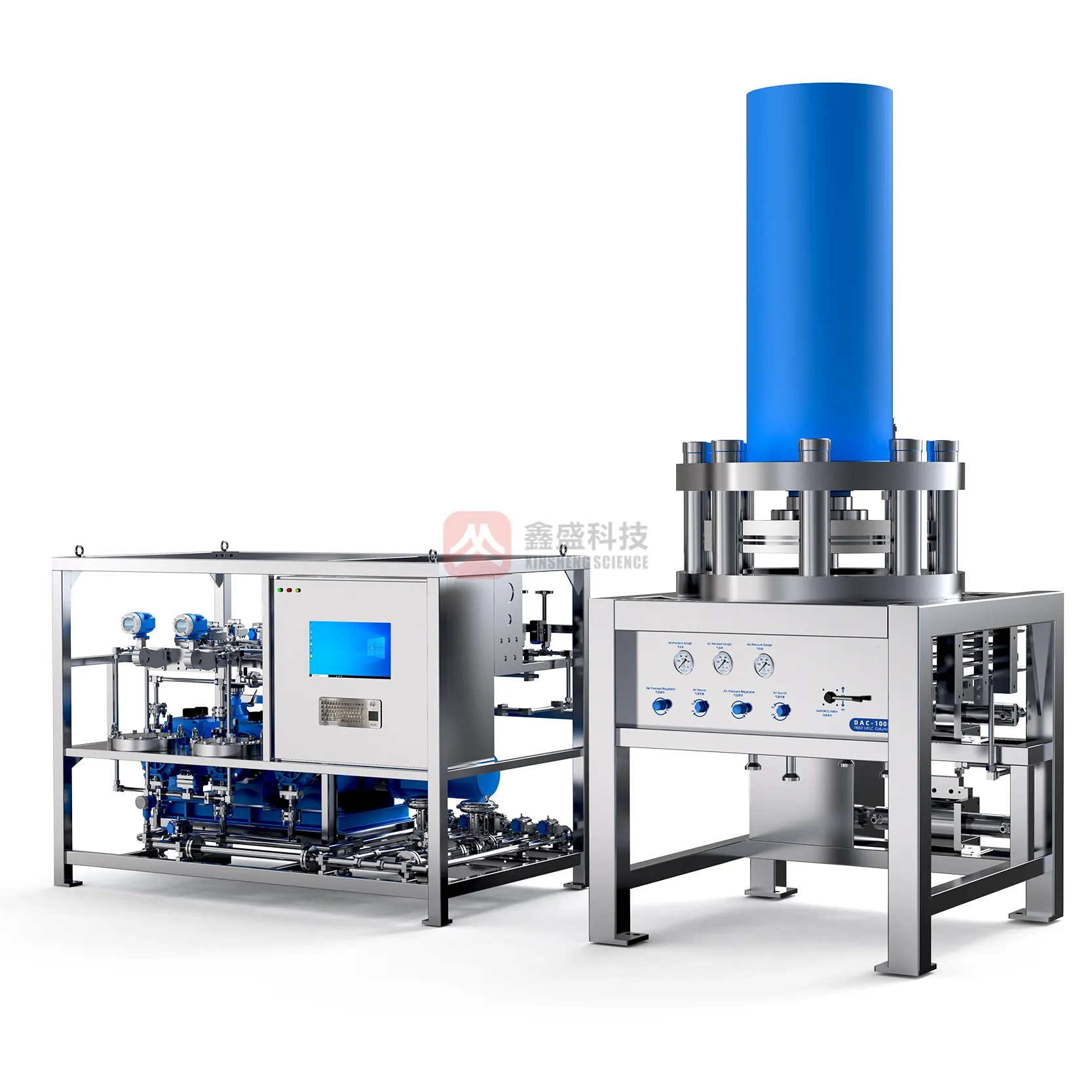
A Bioprocess Chromatography System commonly includes pumps, valves, a column connection, pressure and flow sensors, pH and conductivity measurement, UV detection, air management, and a control platform. Specify only the functions your process needs, while ensuring the design can support planned process development and scale-up.
| Selection area | What to verify | Why it matters |
|---|---|---|
| Flow path | Wetted materials, tubing connections, valve arrangement, and drainability | Supports product compatibility, cleaning, and reproducible operation |
| Pumping and pressure | Flow range, accuracy, pulsation, pressure rating, and alarm limits | Helps maintain the validated process window and protect the packed bed |
| Process monitoring | UV, pH, conductivity, flow, and pressure measurement ranges | Provides the signals needed for endpoint decisions and process records |
| Automation | Recipe control, alarms, user roles, audit trail, and data export | Reduces manual intervention and improves batch review |
| Cleaning and sanitization | CIP/SIP scope, compatible agents, temperature limits, and drainability | Supports changeover and contamination-control strategies |
For GMP manufacturing, instrument performance is only one part of the decision. The control system, electronic records, access controls, and supplier documentation also need to fit the site’s quality system and intended use.
Ask for a live demonstration using a representative process recipe. Verify that the system can record the required process parameters and events, including alarms, operator actions, calibration status, and recipe changes. If electronic records are used in a regulated environment, assess the system against the applicable data-integrity and electronic-record requirements, including 21 CFR Part 11 where relevant. Applicability depends on intended use and the company’s regulatory assessment.
Involve engineering, manufacturing, validation, quality assurance, and IT/automation before purchase. A risk-based lifecycle approach such as ASTM E2500 can help teams define verification activities around patient safety, product quality, and process risk. Where applicable, assess hygienic design expectations such as ASME BPE and quality-management documentation such as ISO 9001. These references do not automatically establish that a particular system or supplier is compliant; request evidence and determine applicability with your quality unit.
Ask the supplier to identify available design documents, material certificates, calibration records, software documentation, factory acceptance testing (FAT) protocols, and site acceptance testing (SAT) support. Agree on acceptance criteria before the purchase order is finalized.
When evaluating XINSHENG or another Bioprocess Chromatography System supplier, compare each proposal against the same URS and process scenario. Request written answers and supporting records rather than relying on generic statements such as “high precision” or “GMP-ready.”
Score each criterion from 1 to 5, then multiply by its importance weight. Your team can adjust the weights, but keep the scoring method consistent across suppliers.
Use measurable acceptance criteria. For example, specify a flow verification tolerance such as ±2% at selected operating points only if your process risk assessment supports it, and require documented results during FAT or SAT. Similarly, a 100% inspection requirement should identify exactly which components or checks are included; it should not be accepted as an undefined marketing phrase. Set response-time requirements—such as a one-business-day acknowledgment—only after confirming they appear in the service agreement.
Even a well-selected Bioprocess Chromatography System can underperform if process assumptions, facility conditions, or acceptance tests are incomplete. Address these risks before installation.
Before issuing a purchase order, we recommend completing these actions with the cross-functional project team:
Useful resources include a URS template, resin and column technical data, a process flow diagram, a facility utility checklist, a supplier scorecard, and a risk assessment. These tools make supplier discussions more efficient and help expose gaps before equipment delivery.
The right Bioprocess Chromatography System is the one that fits validated process needs, provides the required control and documentation, and can be operated and maintained within your facility. By defining requirements first, checking capacity and flow calculations, assessing compliance needs, and comparing suppliers against documented criteria, your team can reduce scale-up risk and avoid costly specification gaps. Apply the same evidence-based checklist when evaluating XINSHENG, and move forward only when the technical, quality, and service requirements are clearly agreed.
RELATED INFORMATION

 EN