Oct. 22, 2026XINSHENG

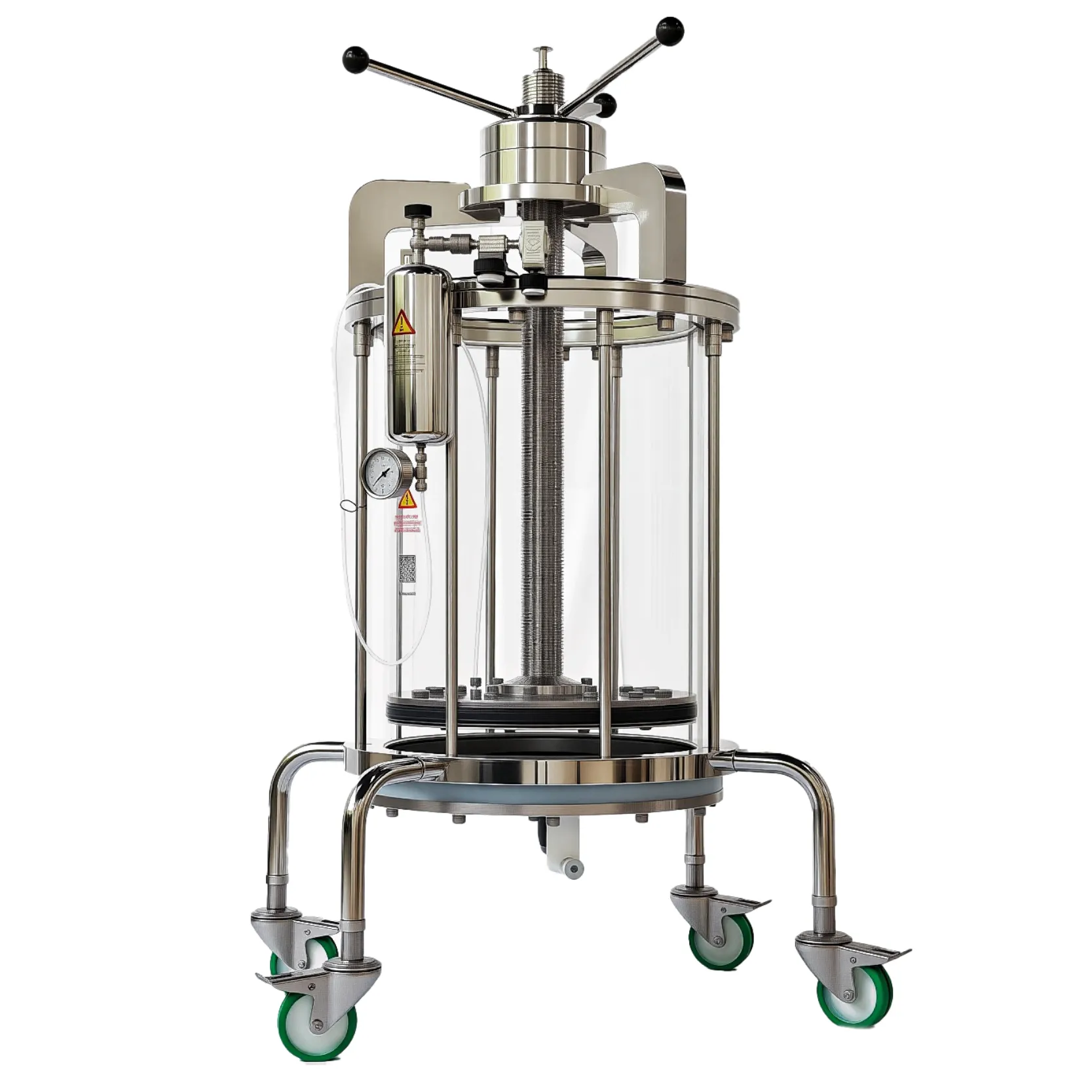
Manual Chromatography Column workflows can be a practical choice for small sample batches, method development, and labs that value hands-on control. Automated chromatography systems can reduce repetitive work and improve consistency when sample volume, staffing, or documentation demands increase. The right choice depends on the method, workload, budget, and experience of the people who will operate and maintain the system.
People comparing these options are usually looking for more than a feature list. Lab managers need to understand throughput and staffing, analysts want a dependable daily workflow, quality teams focus on repeatability and records, and purchasing teams need to compare total cost rather than purchase price alone. The sections below address those questions directly.

Manual operation is often a sensible starting point when sample numbers are low, methods are changing frequently, or the lab needs to explore conditions before committing to a fixed workflow. It avoids paying for automation that may sit idle.
Automation becomes more compelling when runs are frequent, methods are established, and staff spend substantial time repeating the same setup and monitoring steps. It can standardize routine actions, but it does not replace method development, sound sample preparation, or appropriate operator training.
The table provides a practical comparison framework. Exact pressure limits, flow ranges, fraction capacity, detector options, and software functions differ by model and configuration, so request the specifications for the complete system rather than relying on a general product category.
| Parameter | Manual chromatography setup | Automated chromatography system | What the purchasing team should verify |
|---|---|---|---|
| Initial investment | Usually lower when the setup includes a column, basic flow components, and collection supplies. | Usually higher because of pumps, controls, sensors, software, and possible accessories. | Compare the full installed configuration, training, software, service, and required accessories. |
| Throughput | Limited by operator availability and the number of steps that can be monitored at once. | Can support repeatable sequences and unattended portions of a validated workflow. | Ask for realistic runs per shift using your method, including loading, equilibration, washing, and cleaning. |
| Reproducibility | Can be adequate with a trained operator and controlled procedures, but may vary with manual timing and adjustment. | Can improve consistency in programmed steps; results still depend on sample quality, method settings, and maintenance. | Request repeatability data under conditions similar to your samples and intended operating range. |
| Operator involvement | Requires regular observation and hands-on control during operation. | Can reduce repetitive intervention, but setup, supervision, troubleshooting, and review remain necessary. | Map the tasks that remain manual instead of assuming the instrument is fully unattended. |
| Flexibility | Easy to adjust during exploratory work and useful when conditions change often. | Flexible within supported configurations, but method changes may require programming and validation. | Check how quickly users can change flow, gradients, collection settings, and methods. |
| Power and battery | Basic gravity-driven setups may not need electrical power; powered pumps or detectors do. | Normally relies on stable mains power. Battery operation is not a standard assumption. | Confirm power requirements, backup options, restart behavior, and data protection during an outage. |
| Stability during a run | Depends on the column, packing, flow control, operator technique, and environmental conditions. | Can control programmed operating conditions, but stability depends on calibration, maintenance, and method suitability. | Test pressure, flow, fraction timing, alarms, and performance across a representative run. |
| Data and traceability | Often relies on written records or separate instruments and systems. | May provide method storage, run logs, and electronic records depending on software and configuration. | Verify export formats, access controls, audit trail needs, backup, and compatibility with lab procedures. |
| Maintenance and support | Fewer electronic components, but columns, tubing, fittings, and pumps still need care. | May need scheduled service, software support, calibration, and replacement parts in addition to fluid-path care. | Ask about preventive maintenance, response times, consumables, warranty, and local technical support. |
Do not treat any single row as decisive. A lower purchase price can be offset by analyst time, while automation can add costs for service, training, validation, and software. Compare the total cost over the period your lab expects to use the system.
In daily use, manual workflows let analysts observe the separation and make adjustments as the run progresses. This can be helpful during method development or when samples behave unpredictably. The tradeoff is that the operator must remain attentive, record actions accurately, and apply the same technique from run to run.
Automated systems can execute programmed steps and may help standardize routine runs. In practice, users still prepare samples, select or verify methods, inspect consumables, respond to alarms, and review results. A system that saves time during separation may not save much overall if setup or troubleshooting is difficult.
Many manual setups use no battery when they rely on gravity, while powered pumps, detectors, fraction collectors, and automated systems require electrical power. Battery runtime should not be assumed unless the specific model includes a documented battery option. For powered equipment, ask about voltage requirements, surge protection, uninterruptible power supply compatibility, safe shutdown, run recovery, and whether data are preserved after an outage.
Neither manual nor automated operation guarantees stable results on its own. Column packing and condition, sample preparation, flow control, temperature, buffer quality, tubing connections, and maintenance can all affect performance. Compare replicate runs using representative samples and define acceptance criteria before deciding.
The practical decision is not whether automation is more advanced. It is whether the extra control and potential labor savings justify the added cost and operational requirements for the work your lab actually performs.
A manual setup can suit a team with low or variable sample volume, frequent method changes, experienced operators, and limited capital. It is also useful when the main goal is to understand the separation before standardizing the process.
An automated system may be appropriate when established methods are run repeatedly, several analysts share the workload, hands-on steps limit throughput, or consistent records are important. The case is strongest when the team can quantify the time spent on repetitive tasks and show that automation addresses that bottleneck.
A joint evaluation helps prevent a technically attractive purchase from creating a poor fit for staffing, facilities, quality procedures, or future maintenance.
Ask suppliers to explain the conditions behind performance claims and to distinguish standard features from optional accessories. A useful demonstration should include your intended column format and operating range where feasible, a representative sample, repeated runs, a cleaning cycle, and a review of the resulting records. Document what success looks like before the demonstration so that both purchasing options are judged fairly.
Manual chromatography is generally the better fit when runs are occasional, methods are still evolving, operator expertise is available, and the cost of automation cannot be justified by measured workload savings. It remains a capable approach when procedures, training, and records are controlled.
Automation is generally the better fit when methods are mature, repetitive work consumes significant analyst time, multiple users need standardized execution, and the lab can support the equipment, software, training, and maintenance. Confirm the benefit with a practical evaluation rather than relying on advertised throughput alone.
For many labs, the most reliable answer is to start with the workflow and quantify its demands before selecting equipment. XINSHENG can be part of that evaluation when comparing column and system requirements, but the final choice should be based on verified specifications, representative sample testing, and the needs of the purchasing group. Whether a lab selects an automated platform or a Manual Chromatography Column, a well-matched method and consistent operating practice matter most.
RELATED INFORMATION


 EN