
Nov. 13, 2026XINSHENG

A Bioprocess Chromatography System is equipment that separates and purifies molecules—such as therapeutic proteins, antibodies, and vaccines—from a process liquid by moving it through a packed column under controlled conditions. In biopharmaceutical manufacturing, it helps turn a complex harvest into a product stream with defined purity and quality, supporting consistent production, regulatory compliance, and business continuity. For teams evaluating XINSHENG equipment, understanding the system’s workflow and documentation is essential before selecting a configuration.

Chromatography began as a laboratory separation technique and became a core part of industrial purification as biotechnology advanced. The growth of recombinant proteins and monoclonal antibodies increased demand for methods that could selectively capture a target molecule, remove impurities, and operate reproducibly at manufacturing scale.
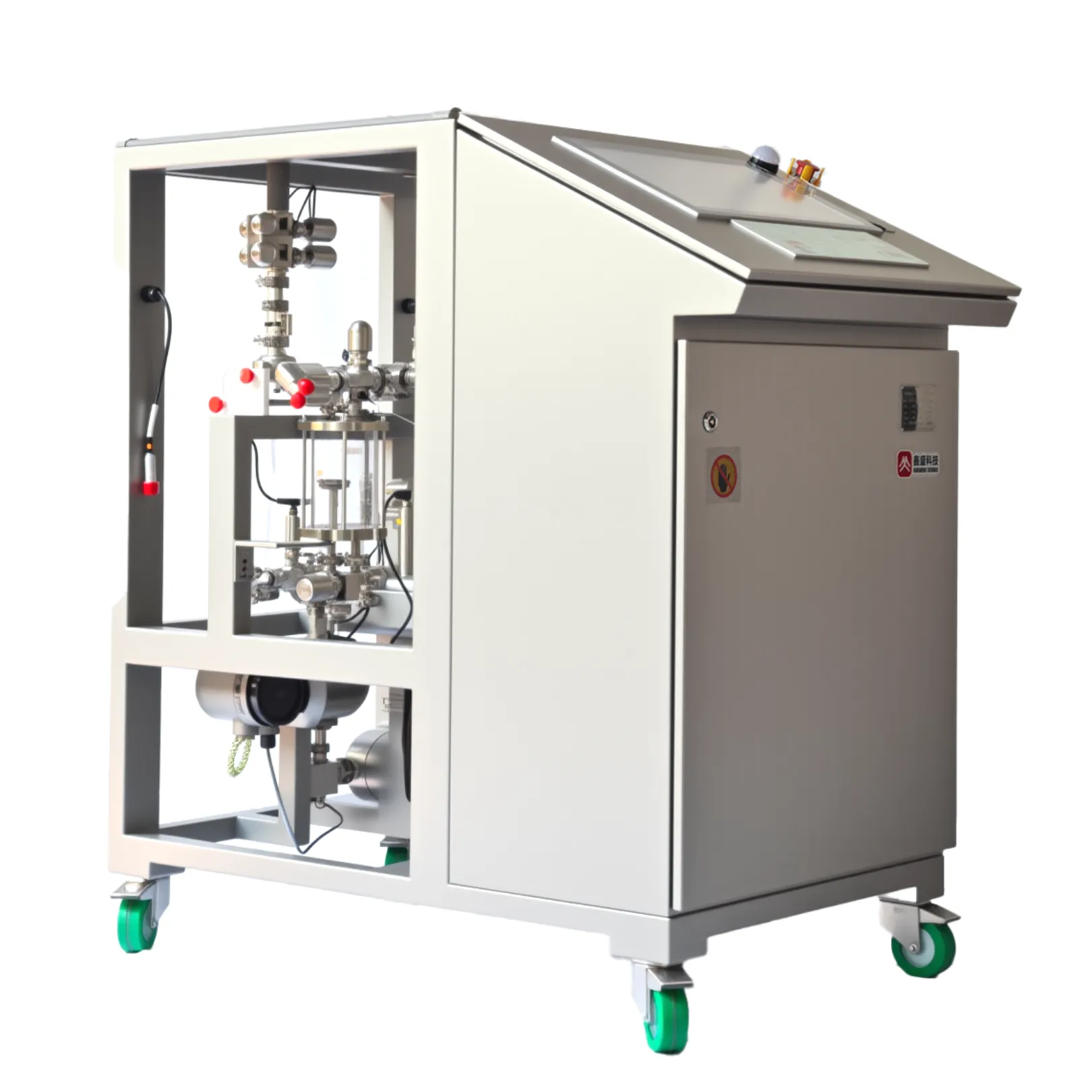
Modern bioprocess chromatography equipment brings together pumps, valves, columns, sensors, control software, and product-contact flow paths. It may be configured for development, pilot production, or commercial manufacturing. The required scale and level of automation depend on the process, facility, molecule, and quality system—not simply on the column size.
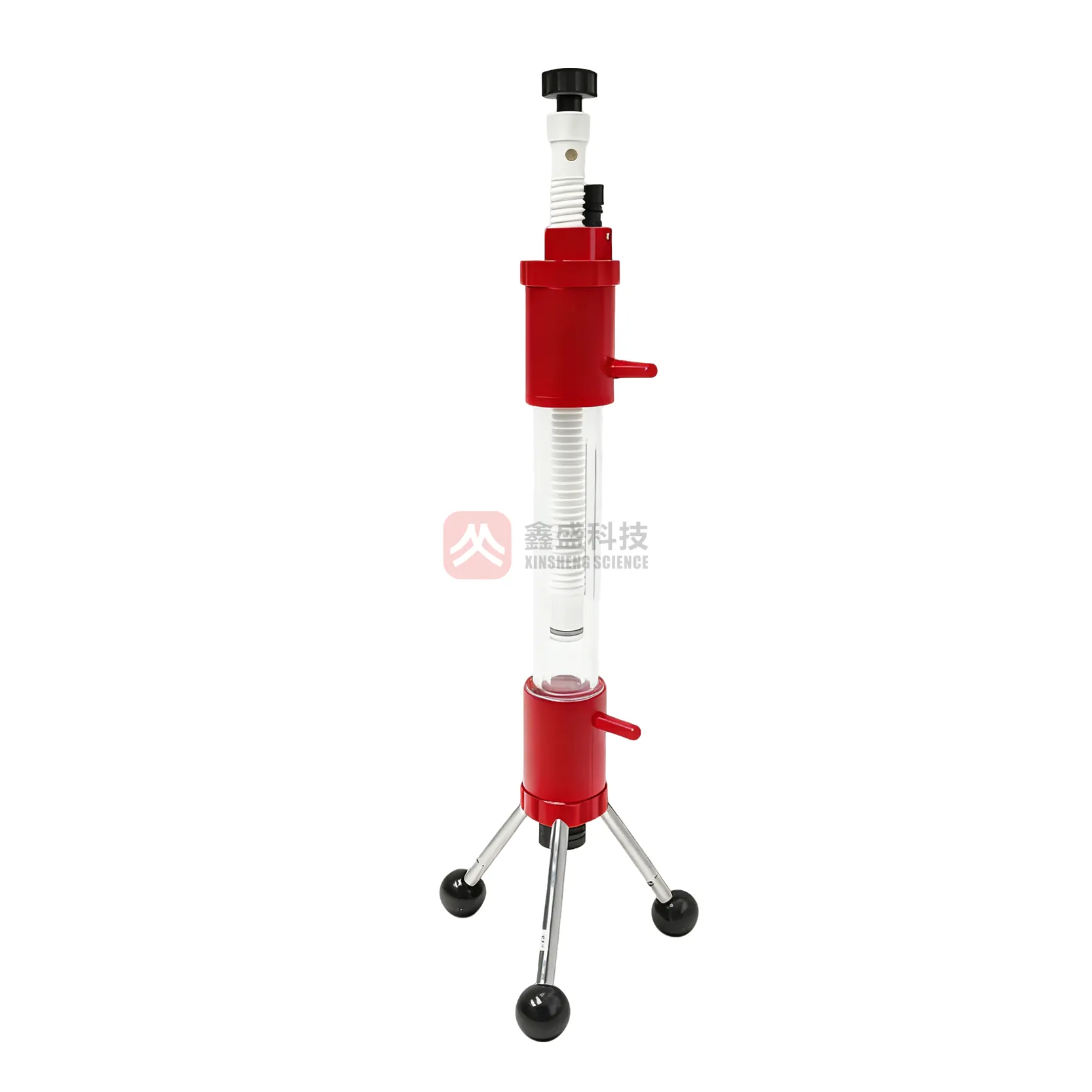
The separation takes place inside a column packed with a chromatography resin. The resin’s chemistry interacts with molecules in the feed. Depending on the method, the target may bind to the resin while contaminants pass through, or the target may pass through while selected impurities bind.
For example, a Protein A affinity step commonly captures an antibody and elutes it by changing pH. The exact conditions must be established and validated for the molecule, resin, and manufacturing process.
| Mode | Separation principle | Typical role |
|---|---|---|
| Affinity | Specific binding between a target and a ligand on the resin | Capture, including Protein A purification of many antibodies |
| Ion exchange | Differences in molecule charge | Capture, intermediate purification, or polishing |
| Hydrophobic interaction | Differences in surface hydrophobicity | Intermediate purification or impurity reduction |
| Size exclusion | Differences in molecular size and access to resin pores | Polishing or small-scale characterization |
A complete downstream purification process may use more than one mode. The best sequence depends on the molecule’s properties, impurity profile, yield goals, and the performance of the surrounding unit operations.
A well-matched Bioprocess Chromatography System can help manufacturers achieve repeatable purification while making better use of resin, buffer, operator time, and facility capacity. Its process data also helps teams identify deviations, investigate trends, and document that a batch was run according to approved procedures.
Performance is assessed using process-specific criteria, not a single universal specification. Typical measures include product yield, purity, impurity clearance, cycle time, pressure limits, and resin lifetime. As an illustrative calculation, a 20 L column operated at 100 L/h would require about 12 minutes to pass one column volume, before accounting for loading, washing, elution, and other steps. Actual flow limits and cycle duration must follow the resin, column, and validated process requirements.
In regulated manufacturing, equipment selection should also consider cleanability, product-contact materials, calibration, software controls, data integrity, and qualification documentation. Quality teams commonly assess applicable GMP requirements, electronic-record controls such as 21 CFR Part 11 where relevant, and equipment lifecycle qualification. Material and fabrication documentation may include DIN EN 10204 inspection certificates; stainless-steel passivation procedures may reference ASTM A967/A967M when applicable. These standards do not replace a site’s risk assessment or validation.
When reviewing a XINSHENG Bioprocess Chromatography System or another process chromatography system, match the technical configuration to the intended process and facility. Request evidence for the specific model and options rather than relying on general performance statements.
These questions help procurement, engineering, manufacturing, and quality teams assess total suitability—not just purchase price. XINSHENG-specific capabilities should be confirmed in the current technical proposal and controlled product documentation.
The resin is central to separation, but the system must also control flow, pressure, buffer transitions, routing, and data capture. Poorly controlled operation can reduce yield or compromise batch reproducibility.
Scale-up depends on bed height, residence time, pressure limits, resin capacity, feed characteristics, and cycle design. Increasing diameter alone does not guarantee equivalent performance.
Each mode has a particular selectivity. A purification train often combines capture, intermediate purification, and polishing steps to reach product-specific quality targets.
Factory testing confirms defined equipment functions; it does not establish that a customer’s product process is validated. The user must qualify the equipment for its intended use and validate the process under the applicable quality system.
Consider a facility processing a clarified antibody harvest. The team selects affinity capture as the first chromatography step, then evaluates ion exchange for further impurity reduction. During development, it records UV, pH, conductivity, flow, and pressure trends and establishes acceptance criteria for yield and impurity clearance.
Before transferring the process to a manufacturing system, the team checks that the selected column and resin can operate within equipment limits, confirms the cleaning strategy, and documents alarm and batch-record review. If an illustrative run uses a 20 L bed at 100 L/h, the nominal time for one column volume is about 12 minutes; the complete cycle is longer because it includes equilibration, loading, washing, elution, and cleaning steps. This example explains the calculation only and is not a guaranteed system specification or a validated process recommendation.
A Bioprocess Chromatography System uses a resin-packed column and controlled fluid handling to separate target biomolecules from process impurities. Its practical value comes from reliable purification, measurable process control, and records that support manufacturing oversight. Choosing a suitable system means reviewing process scale, resin compatibility, cleanability, instrumentation, automation, qualification documents, and service support together.
Whether you are planning a new downstream purification process or comparing XINSHENG equipment, begin with your molecule, process requirements, and facility constraints. Then request model-specific documentation and involve engineering, operations, and quality teams before finalizing a selection.
RELATED INFORMATION

 EN

