What Is a DAC Column? Working Principles and Applications in Preparative Chromatography
When a laboratory process must move from small analytical samples to larger product batches, the chromatography column becomes a key part of the scale-up plan. A DAC Column Manufacturer supplies columns that use dynamic axial compression to keep the packed bed compact during preparative separations. This guide helps process teams compare a preparative DAC column manufacturer, understand how the equipment works, and plan its use from packing through routine operation.
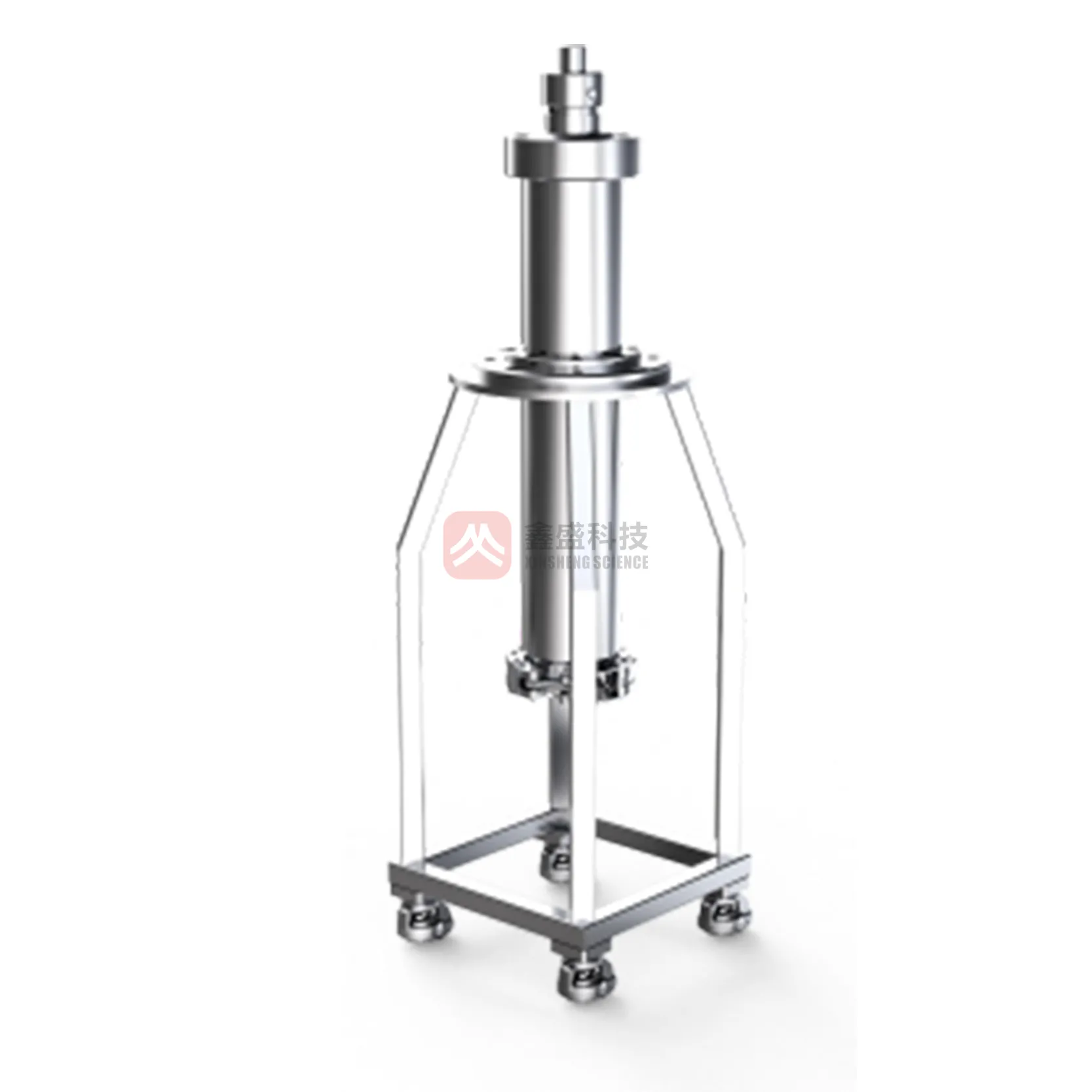
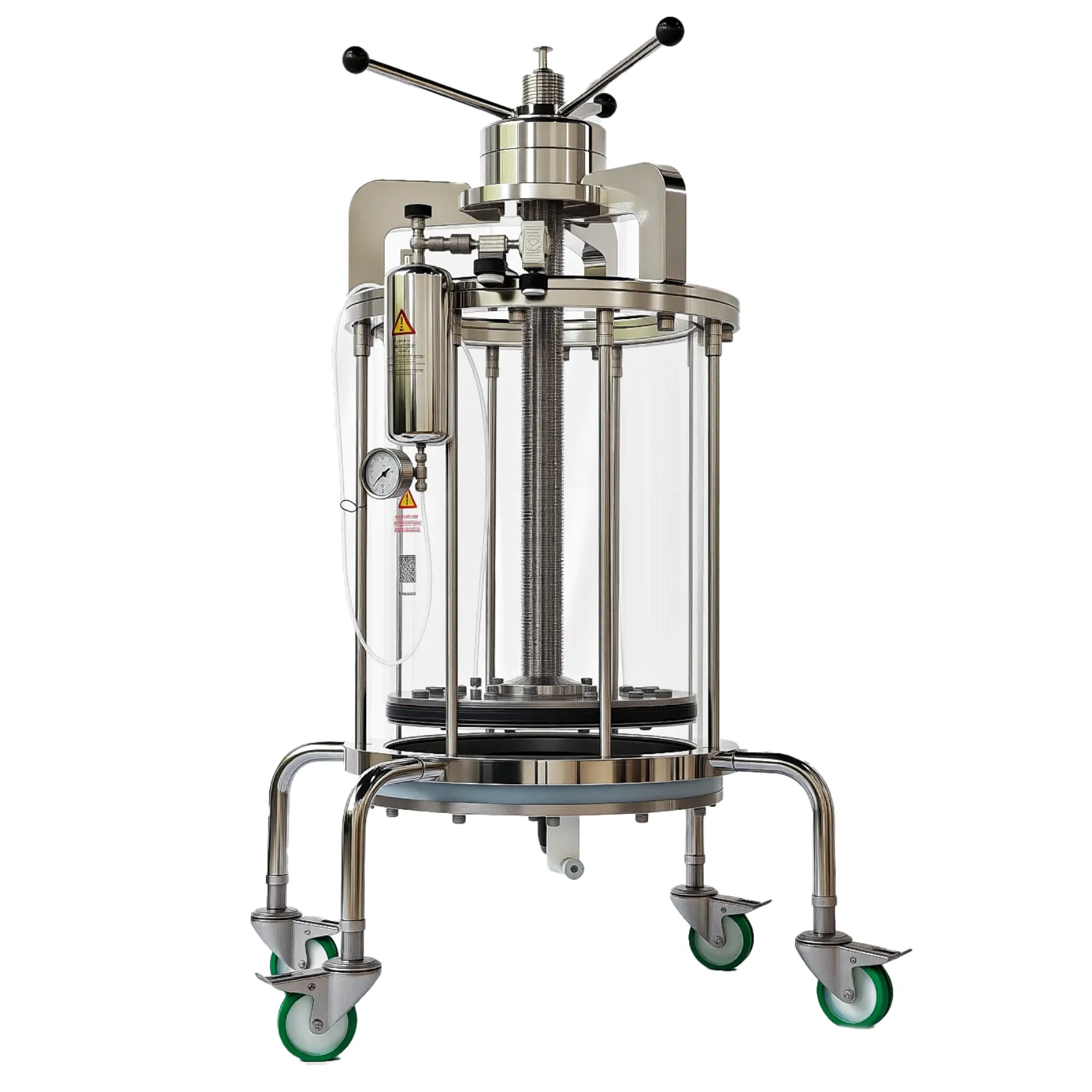
DAC columns use axial compression to maintain a packed chromatography bed during preparative operation.
What Is a DAC Column?
A DAC column is a preparative chromatography column that uses dynamic axial compression to apply force along the column axis and keep the stationary-phase packing under compression. DAC stands for dynamic axial compression. The column is packed with a stationary phase—often porous silica or another selected chromatographic medium—while the liquid sample and mobile phase flow through the bed.
In chromatography, the stationary phase interacts with sample compounds to different degrees. Those differences affect how quickly each compound travels through the column, allowing the compounds to separate. The International Union of Pure and Applied Chemistry (IUPAC) describes chromatography as a separation method in which components are distributed between a stationary phase and a mobile phase. See the .
In a DAC design, a movable piston or compression assembly applies force to the packed bed. This helps compensate for settling or changes in bed volume that can otherwise create gaps, uneven flow, or channels. A well-packed, stable bed supports repeatable flow and separation. The exact design, compression method, pressure limit, and operating procedure vary by column model and packing material.
How a DAC Column Works in Preparative Chromatography
Choose and prepare the packing material. The stationary phase is selected for the target compounds, solvent system, particle properties, and required separation. It must be prepared and handled according to the material supplier’s instructions.
Pack the column. The stationary phase is introduced as a slurry or by another approved packing method. The goal is an even bed without large voids or trapped air.
Apply axial compression. The compression mechanism holds the bed in place. The specified compression setting is equipment- and media-dependent; operators should not assume one pressure or setting works for every material.
Equilibrate the bed. Mobile phase flows through the column until the bed and outlet conditions are stable for the intended separation.
Load and separate the sample. The sample enters the column, and the mobile phase carries its components through the stationary phase. Operators collect fractions based on the separation method and analytical results.
Clean, inspect, and prepare for the next run. Follow the column and media instructions for cleaning, storage, and inspection. Record operating conditions and results so that changes can be investigated.
Column dimensions give a useful first estimate of scale. For a cylindrical bed, geometric bed volume is calculated as π × internal diameter² × bed length ÷ 4. For example, a column with a 100 mm internal diameter and a 500 mm bed length has a geometric bed volume of about 3.93 L. This is a dimensional calculation, not a guarantee of usable capacity or product yield. Actual loading depends on the feed, stationary phase, solvent, flow rate, and separation target.
DAC Column Manufacturer: Applications and Industries
A DAC column is used when a process needs preparative-scale separation and a packed bed that can be maintained under axial compression. Common application areas include:
Pharmaceutical and fine-chemical production: Purification of active ingredients, intermediates, and process impurities where the selected chromatography method is suitable.
Peptide and biomolecule purification: Preparative separation of target molecules from related compounds or process impurities, using media and conditions compatible with the product.
Natural-product processing: Isolation or enrichment of compounds from botanical and other complex extracts.
Food, fragrance, and specialty ingredients: Separation and purification of selected components for product development or manufacturing.
Research and process scale-up: Moving a separation method from development work toward larger batch processing, subject to suitable scale-up studies.
DAC is a column design approach, not a complete separation method by itself. The result also depends on the stationary phase, sample properties, mobile phase, flow conditions, packing quality, and fraction-collection plan. A dynamic axial compression column supplier should therefore help customers match the column configuration to the process rather than recommend equipment by diameter alone.
Key Advantages of a DAC Column
Bed compression can help manage settling. Maintaining contact with the packed bed can reduce the risk of voids forming as the packing settles. It does not remove the need for correct packing, inspection, or method control.
Preparative dimensions support larger batches. A larger internal diameter can increase bed volume. The example above gives about 3.93 L of geometric bed volume for a 100 mm by 500 mm bed, but actual loading must be established with the process and packing material.
Adjustable compression supports bed control. A suitable system lets trained operators apply compression according to the equipment instructions and media requirements.
Potential for repeatable operation. A stable bed and documented operating conditions can support consistent runs. Repeatability must be demonstrated with process data; it should not be assumed from the column design alone.
Useful for process development and production. A properly specified column can support method development and larger-scale purification when its materials, pressure rating, and cleaning approach fit the process.
How to Select a DAC Column Manufacturer
Before requesting a quotation, prepare a short process specification. This makes it easier to compare a DAC column manufacturer on technical fit, service, and documentation—not only on purchase price.
Define the separation task. Share the target compound, feed type, sample volume, expected batch size, and purity or recovery goals. Include any known solvent or pH limitations.
Confirm the column dimensions. Discuss internal diameter, bed length, bed volume, and available packing methods. Check whether the dimensions fit the planned process and facility.
Check materials and compatibility. Confirm that wetted parts, seals, and the column body are compatible with the mobile phases, cleaning agents, temperature range, and process requirements.
Review pressure and compression limits. Ask for the allowable operating pressure and the approved compression procedure. These limits are specific to the design and must be followed.
Ask about packing and maintenance. Confirm how the column is packed, how bed quality is checked, and what inspection, cleaning, and storage steps are recommended.
Request documentation and support. Ask what manuals, drawings, material information, test records, and service support are available for the selected model.
Plan process confirmation. Evaluate the packed bed and separation under representative conditions. Record flow, pressure, fraction results, and other process-specific acceptance measures.
For regulated development and manufacturing, define process controls and acceptance criteria based on the product and quality system. The provides a framework for understanding product and process development; it does not set universal DAC column specifications.
Common Operating Problems and Practical Checks
Uneven flow or unexpected pressure changes: Check for leaks, blocked lines, air in the system, a poorly prepared slurry, or changes in packing behavior. Compare the observed pressure with the column and media limits before continuing.
Poor separation or broad peaks: Review sample loading, packing quality, mobile-phase composition, flow conditions, and the suitability of the stationary phase. Use analytical testing to identify where the separation is changing.
Bed settling or a visible gap: Stop and inspect the column according to its manual. Do not compensate by increasing compression beyond the approved procedure.
Different results between runs: Compare packing records, sample preparation, solvent composition, flow, temperature, and fraction collection. A run log can help isolate the source of variation.
Uncertain scale-up: Do not scale only by column volume. Confirm the method with representative feed and packing conditions, since loading and resolution can change with process conditions.
FAQ About DAC Columns
What does DAC mean in chromatography?
DAC means dynamic axial compression. It describes a column design that applies axial force to help keep the stationary-phase bed compressed during operation.
Is a DAC column the same as an analytical HPLC column?
No. DAC columns are commonly used for preparative separations, where the goal is to purify or collect product at a larger scale. Analytical columns are generally designed to measure or characterize smaller samples. The best choice depends on the task, not just the instrument name.
Does a DAC column guarantee higher purity or yield?
No. Column design alone cannot guarantee a particular purity, yield, or run time. Those results depend on the feed, stationary phase, method conditions, packing quality, and collection strategy. Confirm performance through testing with the intended process.
How do I estimate DAC column bed volume?
For a cylindrical bed, use π × internal diameter² × bed length ÷ 4, with all dimensions in the same units. This gives geometric bed volume. It does not directly state sample-loading capacity or product yield.
What information should I send a manufacturer?
Provide the intended application, sample and batch sizes, desired bed dimensions, stationary phase, solvent and cleaning requirements, operating pressure needs, and any facility or documentation requirements. The manufacturer can then assess whether a specific model fits the process.
Next Steps: Compare DAC Column Options
Start with the process specification, then review the column manual, packing procedure, pressure limits, and maintenance requirements for any model under consideration. Ask the supplier to clarify technical details that affect your method, and confirm performance with representative testing. If you are evaluating an industrial DAC chromatography column, contact XINSHENG to discuss the application, column configuration, and available product guidance before selecting equipment.


 EN